When Your Favorite Celebrity Falls From Grace — and You Don't Know What to Do With All That Love

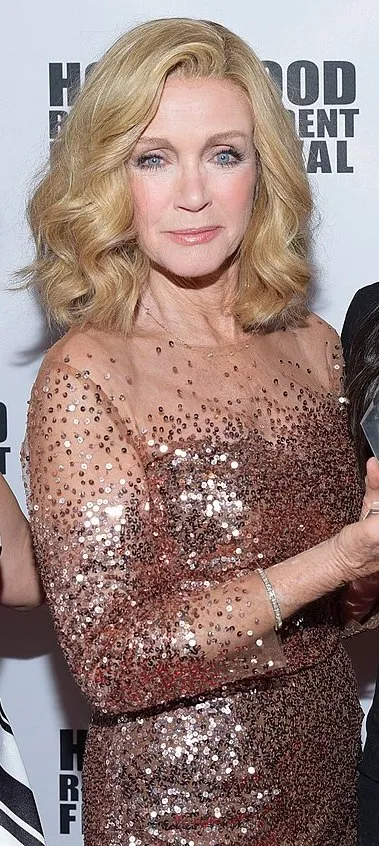
Photo: Photograph by Mike Peel (www.mikepeel.net)., CC BY-SA 4.0, via Wikimedia Commons
There's a specific kind of grief that doesn't have a name yet, but you probably know exactly what it feels like.
Maybe it was the morning you woke up to a Twitter thread with receipts. Maybe it was a podcast episode where someone you trusted said something that made your stomach drop. Maybe it was a slow build — a pattern of behavior that you kept explaining away until you couldn't anymore. And then suddenly, the person whose music you played on repeat, whose interviews you watched like comfort food, whose existence felt genuinely good to you — that person became complicated in a way that felt deeply personal, even though they've never once thought about you.
Welcome to the parasocial breakup. It's real, it's messy, and nobody really prepared us for it.
The Relationship Was Real, Even If It Was One-Sided
First, let's get one thing out of the way: the grief you feel when a celebrity you admired turns out to be problematic is not embarrassing. It's not silly. It doesn't mean you were naive or overly attached.
Parasocial relationships — the one-sided emotional bonds we form with public figures — are a normal, documented psychological phenomenon. We're wired for connection, and our brains don't always distinguish cleanly between a relationship where both parties are present and one where only you are. You invested real emotional energy. You felt genuine warmth, inspiration, even comfort from this person's work or public presence. That investment doesn't become fictional just because they turned out to be flawed.
Dr. Pamela Rutledge, director of the Media Psychology Research Center, has written extensively about how parasocial bonds activate many of the same emotional systems as real relationships. So when those bonds are disrupted by a controversy or a public fall from grace, the loss registers emotionally in a way that mirrors actual betrayal — because to your nervous system, it kind of is.
The Whiplash Is Part of It
One of the most disorienting parts of this experience is the emotional whiplash — the way admiration and disappointment can exist in the same moment, fighting for space.
Think about the wave of fan responses when a beloved figure gets called out. There's the initial denial ("this has to be out of context"), then the creeping dread ("what if it's not"), then the grief ("I don't want this to be true"), and eventually — for many people — a complicated kind of anger that's hard to even direct properly. Are you angry at them? At yourself for not seeing it sooner? At the parasocial dynamic itself for making you care this much?
Recent cultural moments have put this experience front and center. When allegations surfaced around figures in music, film, and podcasting over the last couple of years, fan communities went through visible, documented stages of collective processing — on Reddit, on TikTok, in comment sections. The discourse was messy and sometimes contradictory, but it was also deeply human. People weren't just debating the celebrity's behavior. They were quietly grieving something they'd lost.
The Guilt Nobody Talks About
Here's the layer that gets especially uncomfortable: the guilt.
If you streamed their music, bought their book, paid for a concert ticket — you contributed financially to this person's platform and career. When the thing they did comes to light, there's often a retroactive shame that attaches to that support. I helped them get here. I defended them online. I told people to check out their work.
This guilt is real, but it's worth examining carefully. Most of us extend good faith to public figures based on the information available to us at the time. You cannot hold yourself responsible for not knowing things that were deliberately concealed. What you can control is what you do with the information once you have it — and that's where the genuine work begins.
Separating Art From Artist: Not a Clean Process
The "separate the art from the artist" conversation is one of the most debated in modern cultural discourse, and for good reason — there's no universal answer that works for every situation.
Some people can genuinely compartmentalize. They can listen to a song and appreciate its craft while holding a clear-eyed view of the person who made it. Others find that the knowledge of what an artist did permanently colors the experience of their work — the song that used to feel like an anthem now feels like something they need to scrub from their playlist.
Both responses are valid. Neither makes you a better or worse person. What matters is being honest with yourself about where you actually land, rather than performing an attitude you think you're supposed to have.
A few practical frameworks that can help:
Give yourself time before making permanent decisions. The immediate aftermath of a controversy is not the moment to decide how you feel about someone's entire body of work forever. Emotions are loud right now. Let them settle before you make sweeping declarations.
Distinguish between passive enjoyment and active support. Listening to an old album you already own is different from buying a new release, attending a tour, or amplifying their platform. You can make nuanced choices about where your active support goes without treating your past relationship with their work as something shameful.
Find community. If you're in a fan space going through collective processing of a controversy, you don't have to do it alone. Talking through the whiplash with people who understand the depth of the attachment — without judgment — can genuinely help.
Redirect the energy. One of the most constructive things you can do after a parasocial breakup is actively seek out creators and artists whose work excites you and whose values you can actually see. Let the grief create space for something new.
The Bigger Picture
We live in an era of radical transparency — or at least the performance of it. Social media has made celebrities more accessible than ever, which deepens parasocial bonds faster and more intensely than previous generations experienced. The flip side is that accountability travels just as fast. What used to be industry gossip or buried tabloid stories now surfaces in real time, with documentation.
That's mostly a good thing. People who cause harm should be held accountable, and public pressure has real effects. But it also means fans are regularly put in the position of processing moral information about people they care about, at internet speed, without any real support structure.
The parasocial breakup isn't going away. If anything, it's going to keep happening more, not less. Learning to navigate it — with honesty, self-compassion, and a clear sense of your own values — is becoming a genuine emotional skill for the social media age.
You're allowed to grieve what you thought you knew. You're also allowed to move forward. Those two things can happen at the same time.