Real Is the New Costume: How Celebrities Turned Vulnerability Into a Brand Strategy
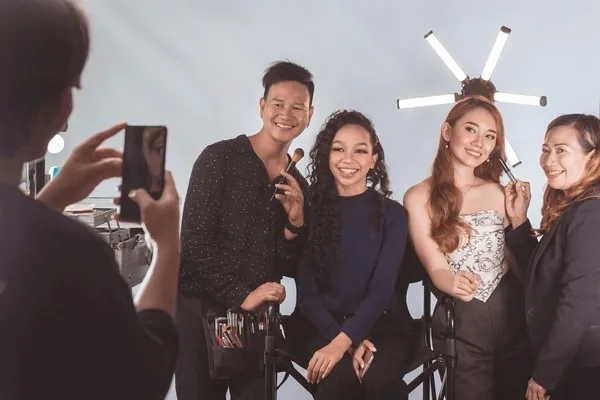
Photo: celebrity candid social media phone selfie behind the scenes authentic moment, via www.shutterstock.com
There's a specific kind of social media post that makes your thumb stop scrolling. No professional lighting. A little bit of a rambling caption. Maybe some mascara that didn't quite survive the day. The celebrity looks human, and something in your brain immediately decides: okay, I trust this person.
But here's the thing worth sitting with — what if that moment of seeming humanity is the most calculated move they've made all week?
Welcome to what I've started calling the Authenticity Costume. It fits perfectly, it photographs beautifully, and the best part? Nobody's supposed to notice it's a costume at all.
The Algorithm Wants Your Feelings (And So Does Their PR Team)
Platforms like Instagram and TikTok don't reward polish the way they used to. The data is pretty clear on this: raw, emotionally charged content generates more saves, shares, and comments than a perfectly lit promo shot. Celebrities and their teams figured this out fast. If a tearful car confessional gets three times the engagement of a magazine cover drop, you start scheduling tearful car confessionals.
That's not cynicism — that's just business logic applied to emotional storytelling. And honestly, the execution has gotten good. Really good. The rough handheld camera work, the strategic pause before the hard admission, the deliberate choice to leave in the voice crack — these are production decisions dressed up as spontaneity.
This doesn't mean every celebrity moment of openness is fake. That would be too simple and, frankly, unfair. But it does mean the line between genuine vulnerability and performed vulnerability has gotten so blurry that even the people performing it might not always know which side they're standing on.
Case Study: The Art of the 'Messy' Era
Think about how many major celebrities have leaned into what fans lovingly call their "era of not being okay." The narrative arc is almost formulaic at this point: intense public pressure, a quiet disappearance, a soft return with an acoustic song or a candid interview, followed by a carefully timed comeback project.
Selena Gomez has been one of the most discussed examples of this in recent years — and to be clear, her health struggles are real and documented. But watch how her team has framed her story across interviews, documentary releases, and social posts. There's an intentional narrative thread, a consistent emotional through-line that keeps audiences invested between projects. Her vulnerability is authentic and it's been packaged. Both things are true.
Same conversation applies to Demi Lovato, to Jonah Hill's public discussions about body image, to Taylor Swift's calculated glimpses into the "real" life behind the eras. The vulnerability is genuine in origin, but the delivery has been workshopped.
Why We Keep Buying What We Know Is Probably Curated
Here's the psychology that makes this whole thing work: humans are wired to reward perceived honesty. When someone seems to drop their guard, our threat-detection systems relax. We feel closer to them. We feel chosen, like we're being let in on something private.
Social media has essentially gamified that feeling. When a celebrity posts something "real," we don't just consume it — we participate in it. We comment, we share, we defend them in the replies. We become emotionally invested stakeholders in their story. That investment keeps us coming back, and it keeps them relevant.
The uncomfortable truth is that we often know on some level that we're watching a performance, and we watch anyway. Because the performance of authenticity gives us something the polished version doesn't: permission to feel like we have a relationship with this person.
The Genuinely Unscripted Ones Stand Out Differently
You can actually spot the difference when someone isn't performing realness — and it's instructive. Think about the interviews that made headlines not because they were emotional, but because they were weird or uncomfortable in a way that clearly wasn't intended. Celebrities who say the wrong thing, get visibly annoyed, give an answer that contradicts their brand narrative.
Those moments hit differently. They don't feel warm and inviting the way the curated vulnerability does. They feel like accidentally walking in on something. That contrast is actually the clearest evidence that the polished-raw aesthetic is a genre with its own conventions.
So What Do We Do With This?
I'm not suggesting we become cynics who dismiss every celebrity moment of openness as a PR stunt. That's both unfair and kind of exhausting as a way to move through the world. Real pain can coexist with strategic storytelling. A person can be genuinely struggling and have a publicist helping them frame that struggle for maximum relatability.
What's worth holding onto is a little critical awareness. When a celebrity's "unfiltered" moment arrives packaged with perfect timing — right before an album drop, during an awards season push, exactly when their public image needs a softening — it's okay to notice that. It doesn't have to make you love them less. It just makes you a more honest audience member.
And maybe that's the real twist: in a media landscape built on performed authenticity, the most genuine thing we can do is admit we enjoy the show while knowing it's a show.
Because real is the new costume, and honestly? It's a look that works.