You Feel Like You Know Them — But They Have No Idea You Exist

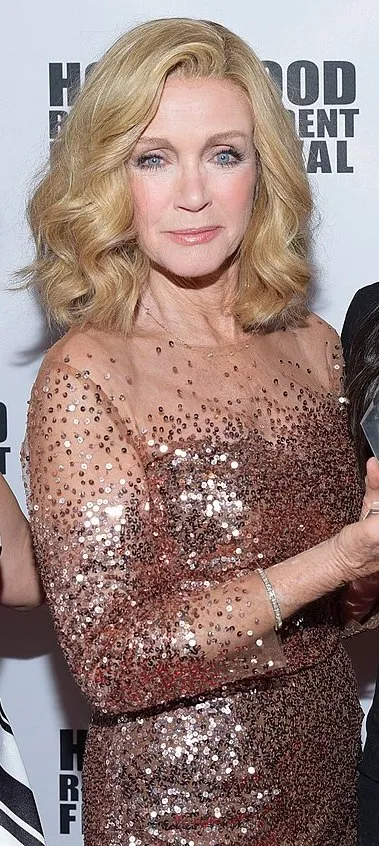
Photo: PattayaPatrol, CC BY-SA 4.0, via Wikimedia Commons
The Friend Who Lives in Your Phone
Let's be honest for a second. You've probably caught yourself mid-sentence, referencing a celebrity like they're someone you actually hang out with. "Oh, she would hate that." "He's been going through it lately." "I just feel like she gets me, you know?"
No judgment — genuinely. Because if you've felt that pull, that strange warmth toward someone you've never met, you're not weird or delusional. You're just human. And you're living in an era that was practically engineered to make that feeling happen.
Psychologists call it a parasocial relationship: a one-sided emotional bond where one person invests real feelings, attention, and care into someone who doesn't know they exist. The term has been around since the 1950s, but it's never been more relevant than right now, when algorithms serve you a celebrity's morning routine before you've even had coffee.
How We Got Here
There's a reason this feels different from the way your parents "liked" a movie star. The parasocial experience has been completely transformed by the media landscape we're all swimming in.
Streaming platforms figured out early that intimacy sells. Docuseries, reality shows, and behind-the-scenes content are designed to make you feel like you're getting access — like you're inside the velvet rope. When Taylor Swift lets cameras into her living room, or when a beloved actor breaks down crying in a podcast interview, your brain doesn't fully register the camera crew standing three feet away. It just registers: this person is being real with me.
Social media made it worse — or better, depending on how you look at it. Instagram Stories, TikTok Lives, close-friend content, Substack newsletters — every format is built to simulate closeness. When a celebrity talks directly into their phone camera and says "you guys," your nervous system hears "you." That's not an accident. That's design.
Attachment theory, the psychological framework that explains how we bond with other humans, doesn't distinguish between real relationships and parasocial ones in the moment you're experiencing them. The same neural pathways that fire when your best friend texts you fire when your favorite creator posts a vulnerable update. Feeling is feeling, even when the connection only runs one way.
The Uncomfortable Math of One-Sided Love
Here's where it gets a little tender. Because the thing about parasocial relationships is that the investment is completely asymmetrical — and most of us don't think about that until something forces us to.
Fans who've followed a celebrity for years sometimes describe a jarring moment of reckoning. Maybe the celebrity does something that doesn't match the version they'd built in their head. Maybe they go through a public breakup or a controversy, and the fan realizes they're grieving someone who was never really theirs to grieve. Or maybe they just notice, one random Tuesday, that they know this person's childhood trauma, their coffee order, their dog's name — and the celebrity would walk right past them on the street.
That asymmetry isn't anyone's fault. It's just the nature of the thing. But it can sting in ways that feel embarrassing to admit, which is part of why so many people don't talk about it.
One fan, a woman in her late twenties from Ohio, described spending months feeling genuinely supported by a wellness influencer she followed religiously. "She talked about anxiety in a way that made me feel seen," she said. "I'd watch her videos after hard days. I recommended her to my sister. And then she did this sponsored post that completely contradicted everything she'd said about her values, and I felt betrayed. Like, actually betrayed. And then I felt stupid for feeling betrayed, because she doesn't even know my name."
That loop — real feeling, followed by the shame of having the real feeling — is incredibly common. And it's worth sitting with instead of brushing off.
Why Your Brain Can't Tell the Difference
Researchers who study parasocial dynamics point out that the human brain evolved for a world where the only people you saw regularly were people who were actually in your life. If you heard someone's voice every day, they were your neighbor, your family, your friend. Your brain had no reason to build in a filter for "famous person I'll never meet."
Fast forward to 2025, and you might spend more time hearing a podcast host's voice than your own coworker's. You might know more about a celebrity's therapy journey than you know about your actual friend's weekend. The brain processes all of that exposure as familiarity, and familiarity reads as closeness.
Dr. Pamela Rutledge, a media psychologist who's written extensively on parasocial bonds, has described them as "socially real" even when they're not reciprocal. The feelings, the comfort, the sense of connection — those things are genuine, even if the relationship isn't mutual. That framing is actually kind of freeing, when you let it land.
When It Gets Complicated
Most parasocial relationships are completely harmless. Loving an artist's work, feeling inspired by someone's story, finding comfort in a creator's content — none of that is a problem. It's actually one of the genuinely beautiful things about art and media.
But the line gets blurry when the parasocial bond starts substituting for real connection rather than supplementing it. When the celebrity's Instagram feels safer than a real conversation. When a fan's emotional wellbeing becomes genuinely dependent on what a public figure does or says next. When the relationship starts to feel less like appreciation and more like ownership.
We've all seen what happens on the extreme end — the parasocial bond that curdles into entitlement, the fan communities that treat celebrities like they owe them something. That's a different, darker conversation. But even short of that, it's worth asking: are the people in your phone crowd out the people in your actual life?
What To Do With All These Feelings
Here's the thing — you don't have to blow up your fan behavior or feel embarrassed about caring. You just might want to get a little honest with yourself about what the relationship is doing for you.
Are you finding community through shared fandom? Great — that's real connection, even if it's mediated through a celebrity you'll never meet. Are you getting genuine inspiration or comfort from someone's content? Also great. But if you're using parasocial closeness to avoid the messier, more vulnerable work of real relationships, that's worth noticing.
The celebrities you love are real people doing a job — and part of that job, in 2025, is making you feel close to them. That's not cynical, it's just true. Knowing that doesn't mean you have to stop caring. It just means you can care with your eyes open.
And maybe, while you're at it, text the actual friend you've been meaning to check in on. They'll text back.