Performing Realness: How 'Unfiltered' Celebrity Moments Became the Most Polished Content Online
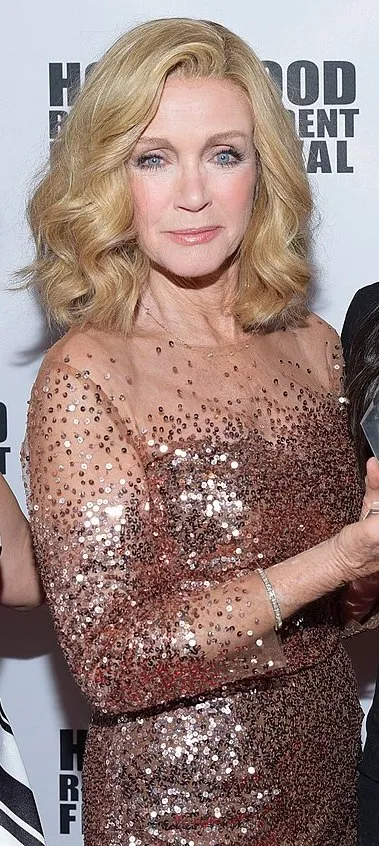
Photo: TamikaWest, CC BY-SA 4.0, via Wikimedia Commons
The Moment That Made Me Think Twice
A few months ago, a major celebrity posted a tearful video to Instagram. No makeup, dim lighting, shaky camera. She was talking about burnout, about needing a break, about how exhausting it is to be perceived all the time. Comments flooded in — thousands of people saying thank you for being so real and this is why I love her.
And I believed it too. For about ten minutes.
Then I noticed the video had been posted at 11 a.m. on a Tuesday — prime engagement hours. The caption was short but punchy, perfectly formatted for shares. Her new single dropped four days later. And suddenly that "unguarded" moment looked a lot less like a breakdown and a lot more like a press rollout.
Welcome to the authenticity paradox — where being real has become the most carefully managed performance in the entertainment industry.
When 'No Filter' Has a Filter
Here's the thing about modern celebrity culture: the demand for realness didn't come out of nowhere. Audiences got tired of the old model — the polished red carpet interviews, the publicist-approved sound bites, the carefully lit photoshoots that made stars look like they existed on a different planet. People wanted something that felt human.
And Hollywood, as it always does, adapted.
What followed was a wholesale rebranding of fame itself. Celebrities started posting gym selfies with bad lighting. They shared "honest" captions about anxiety and self-doubt. They went on podcasts and cried. They posted Stories of themselves eating cereal in oversized hoodies. The message was clear: I'm just like you.
Except they're not. And more importantly, none of it is accidental.
Behind almost every "spontaneous" celebrity moment is a team — PR managers, social media strategists, brand consultants — who understand exactly how authenticity performs algorithmically. A candid photo gets more saves than a studio shot. A confessional caption drives more comments than a promotional one. Vulnerability, it turns out, is extraordinarily good for engagement metrics.
The Algorithm Wants Your Feelings
Platforms like Instagram and TikTok have essentially trained celebrities — and all of us, honestly — to perform emotion for engagement. The algorithm doesn't reward polish anymore. It rewards relatability, rawness, and the feeling of catching someone in an unguarded moment.
So when a celebrity posts a "real" moment, they're not just connecting with fans. They're feeding a machine that has very specific preferences. And their teams know it.
This is where it gets genuinely uncomfortable. Because the celebrities doing this aren't necessarily being malicious. Many of them probably believe they are being authentic. But there's a difference between a real feeling and a real feeling that gets packaged, timed, and deployed for maximum emotional impact.
The performance layer doesn't erase the emotion — it just frames it. And that framing changes everything.
We Helped Build This
Before we put all of this on celebrities, it's worth acknowledging our role in creating the demand. We, as an audience, punished celebrities who seemed too polished and rewarded the ones who seemed messy and human. We made "relatable" the highest compliment you could pay a famous person.
When Selena Gomez posts about her health struggles, we love her more. When a reality TV star cries on camera, we tune in harder. When a musician tweets something self-deprecating at 2 a.m., we screenshot it and call it iconic. We built the market for performed authenticity — and the industry filled it.
Social media gave celebrities direct access to audiences, which genuinely did cut out some of the old gatekeepers. But it also created a new pressure: the pressure to always be on, always be accessible, always be just real enough to feel earned. That's not freedom from performance. That's a more demanding performance with a lower production budget.
The Stars Who Are Actually Doing It Differently
To be fair, not every celebrity is running a calculated vulnerability operation. There are people in the public eye who genuinely seem to navigate fame without a playbook — who say the wrong thing, post at weird hours, share opinions that don't serve their brand, and occasionally disappear from the internet entirely without a strategic announcement.
Those people tend to make us nervous, weirdly. We're so used to the managed version of realness that actual unmanaged behavior reads as chaotic or unprofessional. Which tells you a lot about how thoroughly we've internalized the new normal.
The celebrities who feel most authentic to me these days are often the ones who aren't trying to seem authentic at all. They're just... doing stuff. Talking about things they care about without making it a moment. Being inconsistent. Being boring sometimes. Not every post is a narrative beat in a larger personal brand story.
That's rare. And it's getting rarer.
So What Do We Do With This?
I don't think the answer is cynicism. Writing off every celebrity's emotional moment as fake doesn't serve anyone — not us, not them. Real feelings can exist inside calculated packaging. A celebrity can genuinely be going through something and have their team help shape how they share it.
But I do think we owe it to ourselves to stay a little curious. To notice the timing. To ask who benefits from this particular "real moment" dropping right now. Not because we need to be suspicious of everyone, but because media literacy is just part of being an engaged audience in 2025.
The entertainment industry has always sold us stories. What's shifted is that now the story is you're not being sold a story. And that might be the most sophisticated pitch yet.
We don't have to reject the content. We can still enjoy it, still feel moved by it, still connect with the human being underneath the brand. We just don't have to pretend the curtain isn't there.
Because it is. It's just a really well-lit curtain now.