We're Done Being Blindsided: Why Great Storytelling Isn't About the Twist Anymore
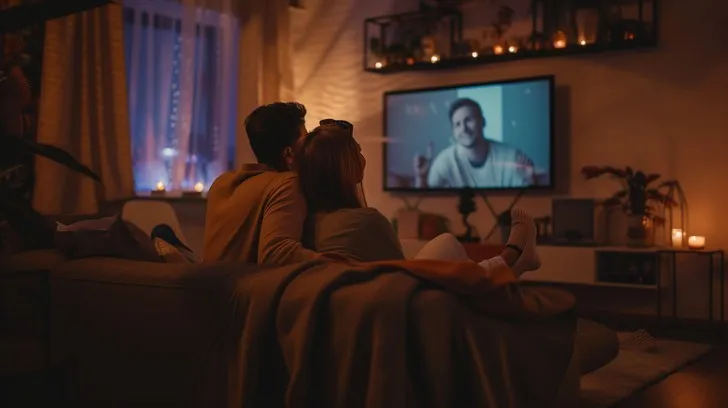
Photo: person watching emotional movie television screen living room, via images.stockcake.com
Remember when you watched a season finale and immediately texted three people about it? Not because something unexpected happened, but because something true happened — a moment so emotionally precise it felt like the show had reached through the screen and grabbed you by the collar?
That feeling has become rarer. And a lot of us are starting to notice.
The Twist Economy
For a stretch of the last decade, prestige television ran on shock. Beloved characters died without warning. Alliances flipped. Seasons ended on cliffhangers designed less to serve the story than to dominate Monday morning conversations. The goal wasn't resonance — it was reaction. A gasp. A meme. A trending topic.
And for a while, it worked. Game of Thrones turned the unexpected death of a main character into a cultural phenomenon. Viewers became almost competitive about predicting twists, theorizing obsessively in Reddit threads and YouTube breakdowns. The shock itself became the entertainment.
But something shifted. Maybe it was the Game of Thrones finale, which left so many viewers feeling cheated rather than moved. Maybe it was the steady parade of prestige dramas that mistook nihilism for depth. Whatever the tipping point, audiences started pushing back — not loudly at first, but unmistakably.
Shock Fatigue Is Real
There's a useful term floating around film and TV criticism right now: shock fatigue. It describes the numbness that sets in when you've been surprised so many times that surprise itself stops landing. When every show promises to subvert expectations, subversion becomes the expectation — and then it becomes boring.
The problem with shock-for-shock's-sake storytelling is that it's fundamentally hollow. A twist that exists only to be a twist doesn't illuminate anything about the characters or the world they inhabit. It doesn't ask anything of the audience emotionally. It's a firework — impressive for a second, then gone.
Viewers have started articulating this frustration more clearly. Social media is full of post-finale threads where people aren't just disappointed by a bad ending — they're tired. Tired of caring about characters only to have them ripped away arbitrarily. Tired of mysteries that unravel into nonsense. Tired of feeling manipulated rather than moved.
What's Actually Working Right Now
Here's where it gets interesting. The shows and films generating the most genuine, sustained buzz in 2024 and into 2025 aren't the ones with the craziest twists. They're the ones with the most honest emotional cores.
Take The Bear. Love it or hate it (and people have feelings about that show), its most talked-about moments aren't plot surprises — they're character revelations. The anxiety spiral in "Fishes." The quiet grief woven into every episode. People aren't just watching it; they're processing it afterward, the way you process something that actually got under your skin.
Or look at Slow Horses, Beef, Reservation Dogs — shows that reward patience and attention to character over spectacle. Their finales don't try to blindside you. They try to land something. And when they do, the response is completely different from the shock-and-meme cycle. It's quieter, more personal, and it lasts longer.
On the film side, movies like Past Lives and A Quiet Place franchise entries have demonstrated that audiences will absolutely show up for emotionally grounded storytelling that doesn't rely on manufactured chaos. Past Lives in particular felt almost radical in its restraint — nothing explodes, no one dies unexpectedly, and yet it wrecked people in the best possible way.
What Creators Need to Understand
The shift happening right now isn't about audiences wanting safe stories. Nobody's asking for predictable or comfortable. People still want to be surprised, challenged, even disturbed. What they don't want is to feel like pawns in a game the writers are playing at their expense.
There's a meaningful difference between an earned emotional gut punch and a cheap one. When a character dies and it feels devastating, it's because the show has spent real time making you care about them — making their loss mean something thematically, not just narratively. When a twist recontextualizes everything you've seen in a way that deepens your understanding of the story, it's genuinely thrilling. That's not shock value. That's craft.
The creators who seem to understand this best right now are the ones treating their audiences as collaborators rather than targets. They're building worlds with enough internal logic and emotional consistency that viewers can invest fully, knowing the story won't just yank the rug out for sport.
The Audience Has Changed
Part of what's driving this shift is simply that today's viewers are more media-literate than any previous generation. Decades of prestige TV, film school culture bleeding into YouTube criticism, and the sheer volume of content available have produced an audience that understands narrative mechanics on a pretty sophisticated level.
You can't shock someone who's already catalogued every possible twist. But you can move them. You can write a character so specifically and honestly that they feel like someone the viewer actually knows. You can build toward a moment so carefully that when it arrives, it doesn't feel like a surprise — it feels inevitable. And inevitable, done right, hits harder than unexpected ever could.
Where This Goes From Here
The entertainment industry is slow to adapt, but it's not blind. There are real signs that the pendulum is swinging. Streaming platforms that spent years chasing controversy and shock are starting to invest more heavily in character-driven, longer-arc storytelling. Writers' rooms are having different conversations about what it means to satisfy an audience.
None of this means the plot twist is dead. A well-executed surprise — one that feels earned, that changes how you see everything before it — will always be a powerful tool. The difference is why you're deploying it.
Are you twisting the story to serve the characters and themes? Or are you doing it to trend on Thursday night?
Audiences know the difference now. And they're voting with their attention.
The stories that are going to matter — the ones people will still be talking about five years from now — won't be remembered for what they did to us. They'll be remembered for how they made us feel something we didn't know we needed to feel.
That's the whole point, isn't it?