The Closer We Follow, The Lonelier We Get: What Our Celebrity Obsessions Are Really Costing Us
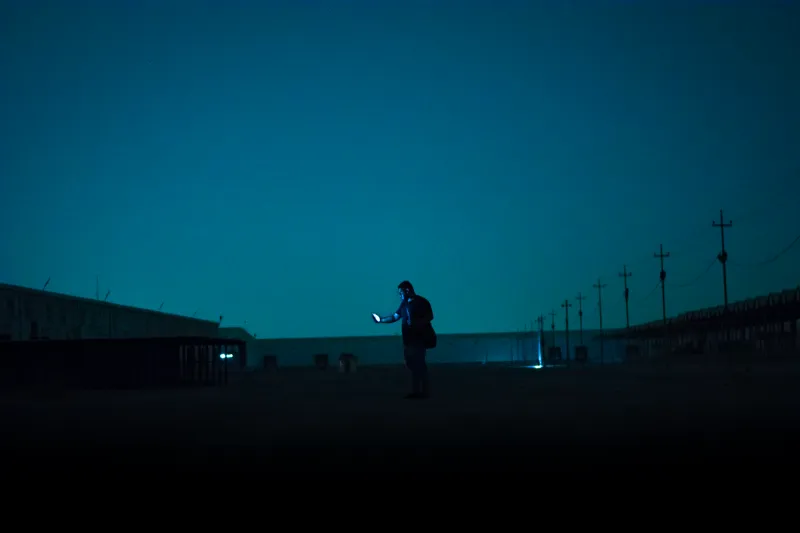
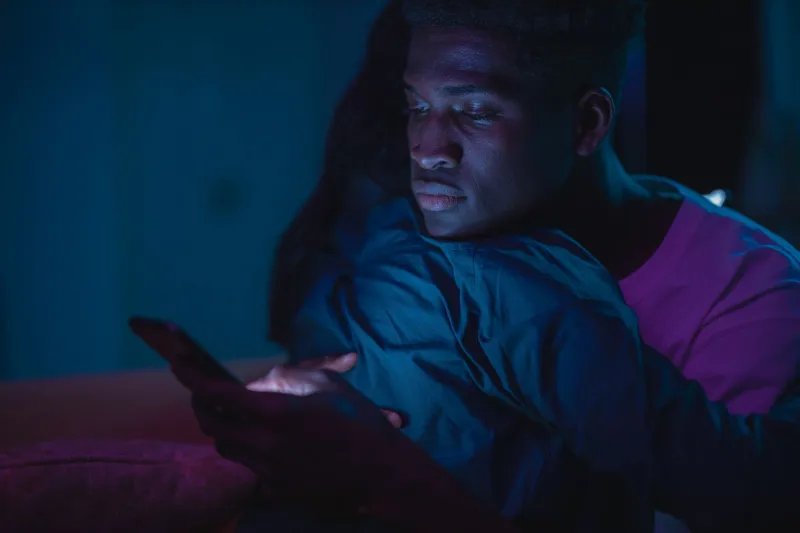
There's a specific kind of evening most of us know too well. You're curled up on the couch, phone in hand, scrolling through someone's Stories — watching them make dinner, laugh with their friends, share a candid moment from their day. It feels warm. Familiar, even. And then you put the phone down, look around your apartment, and feel... weirdly empty.
That's not a coincidence. That's the loneliness paradox in action.
We are the most connected generation in human history, at least on paper. We have real-time access to celebrities, influencers, and public figures in ways that would've seemed genuinely unhinged twenty years ago. We know what they had for breakfast. We know their therapist's first name. We watched them cry on Instagram Live. And yet, study after study keeps pointing to the same uncomfortable truth: Americans are lonelier than ever, and our digital habits are a big part of why.
When Familiarity Becomes a Substitute
Psychologists have a term for the bond we form with people who don't know we exist: parasocial relationships. The concept isn't new — it was first coined in the 1950s to describe how TV audiences felt genuine attachment to on-screen personalities. But social media has turbocharged the whole thing into something much more consuming.
The difference now is the illusion of reciprocity. When a celebrity responds to a comment, reposts a fan's artwork, or does a Q&A where they answer questions that feel suspiciously like yours — your brain registers something that feels dangerously close to a real exchange. Dopamine fires. You feel seen. Briefly.
The problem is that your nervous system doesn't always distinguish between a genuine connection and a simulated one. Both scratch the same itch, at least temporarily. So instead of reaching out to a friend you haven't texted in three weeks, you get your social fix from someone who will never know your name. The emotional hunger gets quieted just enough that you stop noticing how rarely you're feeding it with something real.
The Energy We're Quietly Spending
Emotional investment isn't infinite. We only have so much bandwidth for caring about people — their problems, their wins, their bad days. And right now, a significant chunk of that bandwidth is getting rerouted into relationships that can't give anything back.
Think about how much mental space a single celebrity can occupy. You follow their drama, you pick sides in their feuds, you feel genuine anxiety when they go through something hard publicly. That's real emotional labor. And it's labor being performed for someone who isn't sitting across from you, who won't remember your birthday, who won't show up when things get hard.
Meanwhile, the friendships that could offer that kind of reciprocity — the ones that take effort and vulnerability and the occasional awkward phone call — start to feel like more work than they're worth. We've been slowly trained to prefer the frictionless warmth of a one-sided connection over the complicated, beautiful mess of a real one.
Why It Hits Different in the US Right Now
America has a loneliness problem that predates social media, but the two have become deeply entangled. We're a culture that prizes independence and self-sufficiency, which sounds great until it means we've normalized not needing people. Add in the way our cities are built (hi, car culture and suburban sprawl), the erosion of third places like community centers and local hangouts, and the general post-pandemic rewiring of how we socialize — and you've got a population that's starving for connection but reaching for fast food.
Celebrities offer something that feels like community without the vulnerability of actually joining one. You can belong to a fandom from your couch. You can feel part of something without risking rejection. It's community with the training wheels permanently on.
And honestly? That's understandable. Belonging is a fundamental human need. It makes sense that we'd find ways to approximate it when the real version feels too hard or too far away.
The Scroll That Keeps You Stuck
Here's what makes this especially tricky: the lonelier you feel, the more you reach for your phone. And the more you reach for your phone, the more you feed a habit that keeps real connection just out of reach. It's a loop, and the algorithm is very much designed to keep you in it.
There's also the comparison element, which doesn't get talked about enough in this context. Following celebrities isn't just emotionally one-sided — it's also a constant, low-grade reminder of what your social life isn't. Their group trips, their inside jokes, their packed event schedules. Even when you intellectually know it's curated, some part of your brain is quietly logging it as evidence that everyone else has something you don't.
So What Do We Actually Do With This?
This isn't a piece that's going to tell you to delete Instagram or stop caring about people you've never met. That's not realistic, and frankly, there's nothing wrong with enjoying celebrity culture. The issue isn't the parasocial relationship itself — it's when it starts standing in for something it can never actually be.
The more useful question is: what is this filling in for? If you notice you're spending hours consuming someone else's life instead of living your own, that's worth sitting with. Not with shame, but with genuine curiosity. Are you avoiding something? Is it easier to care about a stranger's problems than to deal with your own? Is there a friendship you've been letting go quiet because it takes more effort than scrolling?
Real connection — the kind that actually addresses loneliness — requires showing up in ways that feel uncomfortable sometimes. Sending the text first. Making plans and actually keeping them. Letting people see you when things aren't going great. None of that is as seamless as watching someone's highlight reel. But it's the only thing that actually works.
The celebrities you follow aren't doing anything wrong by being compelling and accessible and easy to care about. But your loneliness deserves better than a one-sided relationship dressed up as community. It deserves the real thing — and so do you.