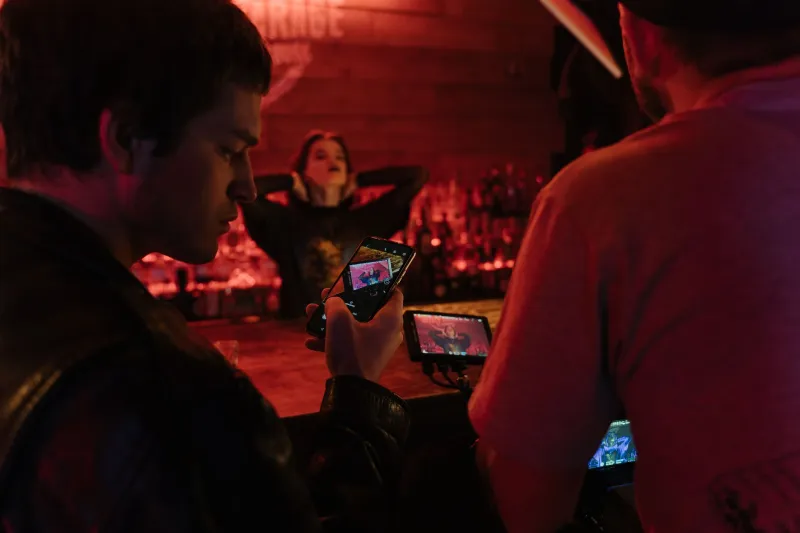
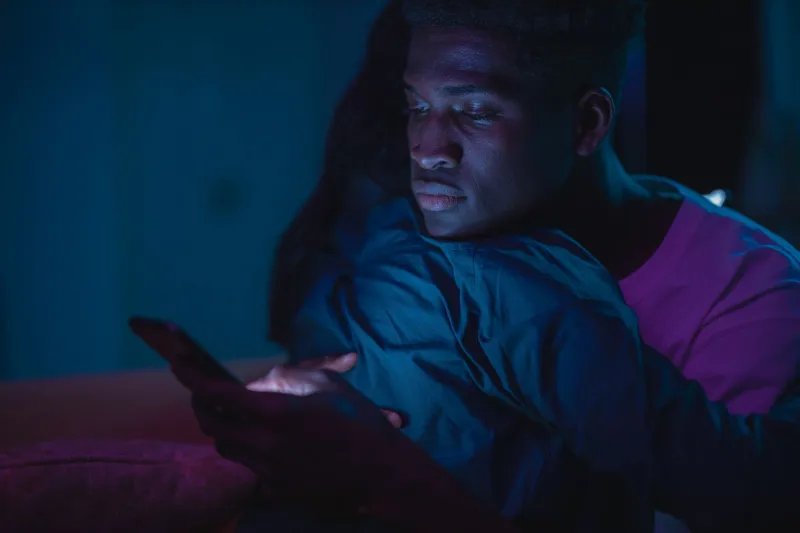
The More 'Off-Guard' They Look, the More Staged It Feels
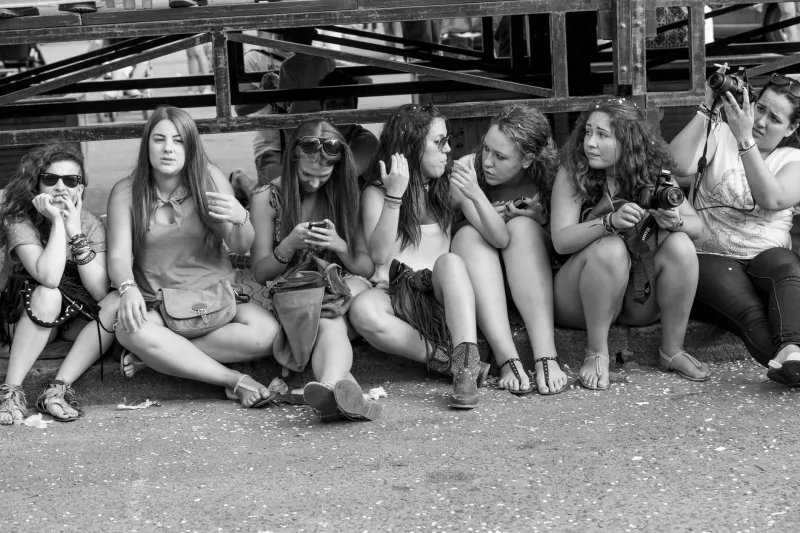
There's a specific kind of disappointment that hits when you watch a celebrity's "candid" airport video and realize, somewhere in the back of your brain, that they definitely knew the camera was there. The slouch is too perfectly casual. The coffee cup is positioned just right. The laugh lands a beat too clean.
We've all felt it. And yet we keep watching.
Something genuinely strange has happened to the way we consume celebrity culture in 2025. The obsession with catching public figures in unguarded, unfiltered moments has become so intense — and so profitable — that those moments have quietly transformed into their own genre of performance. And the more we demand realness, the more elaborate the construction of that realness has to become.
When "Natural" Became a Genre
Think back to the early days of celebrity social media. A blurry selfie, bad lighting, a weird caption — it felt like a window into something true. That novelty was real. Nobody had a playbook for it yet.
Fast forward to now, and "no-makeup selfies" have lighting rigs. "Lazy Sunday" posts go through three rounds of editing. The messy bun has a tutorial. Even the tears — especially the tears — arrive with production value.
This isn't me dragging any specific celebrity. It's more interesting than that. What's happened is that audiences trained celebrities to perform naturalness by rewarding it so aggressively. Every time a "real" moment went viral, every time a candid clip racked up millions of views, the message was clear: this is what we want. And so the industry learned to deliver it.
The problem is that you can't manufacture spontaneity at scale without it eventually starting to look exactly like what it is.
The Psychology of Wanting Something You Know Isn't Real
Here's the part that actually keeps me thinking: we know. That's the wild thing. Most of us, on some level, recognize that the "unscripted" moment was probably discussed in a team meeting. And yet the craving doesn't go away.
Psychologists have a term for the pull we feel toward parasocial relationships — those one-sided emotional bonds we form with celebrities, influencers, athletes, anyone we watch regularly without actually knowing. We're wired to build connection through perceived intimacy. And "catching" someone in an unguarded moment is one of the fastest triggers for that feeling of closeness.
So even when the unguarded moment is guarded, our brains still partially process the idea of it as real. We get a little hit of that intimacy feeling. The performance works, even when we see through it.
It's a strange kind of willing suspension of disbelief — not for fiction, but for people we've decided we want to feel close to.
The Impossible Standard We've Built
Here's where it gets genuinely unfair to celebrities, though, and I think it's worth saying out loud.
We've created a standard that's basically impossible to meet. We want them to be authentic. But we also want that authenticity to be consistent, appealing, and available on demand. We want them to be vulnerable but not messy. Relatable but still aspirational. Off-guard but still presentable.
And the second they try to deliver all of that, we call it fake.
This is the authenticity paradox in action: the more deliberately someone pursues the appearance of authenticity, the less authentic they seem. But if a celebrity stops performing relatability and just... exists with their wealth and access and carefully managed image? We call that out of touch.
There's no winning. And honestly, some of the most "authentic" celebrities I can think of are the ones who've basically stopped pretending to be candid — who are very upfront about the fact that everything they post is considered and intentional. There's a weird kind of honesty in that transparency about the performance itself.
What Constant Documentation Does to Everyone
This isn't just a celebrity problem, by the way. The same dynamic plays out for anyone who's grown up building an online presence — which is, increasingly, most of us.
When you know you might be documented at any moment, you start to pre-edit your behavior. You develop a version of yourself that's optimized for observation. It's not dishonesty exactly. It's adaptation. It's what humans do.
But at scale, with millions of eyes and the economic incentives of the creator economy behind it, that adaptation becomes a whole industry. Authenticity becomes a content strategy. Vulnerability gets a posting schedule.
And then we sit with our phones wondering why nothing feels real anymore.
So What Are We Actually Looking For?
I think the honest answer is that we're not really looking for celebrities to be unscripted. We're looking for connection. We want to feel like the people we admire are, at their core, something we can relate to. We want proof that fame and money don't make someone completely alien.
The unscripted moment is just the vehicle we've landed on for that feeling. And celebrities, being human and also being professionals, have figured out how to drive that vehicle really well.
Maybe the more interesting question isn't whether a celebrity's candid moment was real or staged. Maybe it's why we need it to be real so badly — and what that says about the kind of connection we're actually hungry for in a world where most of our relationships, celebrity or otherwise, are increasingly mediated through screens.
That hunger is real, even when the moment that triggers it isn't.
And I think that's worth sitting with for a minute, the next time you watch a perfectly imperfect Instagram story and feel, just for a second, like you actually know someone.